Never underestimate the power of influence.
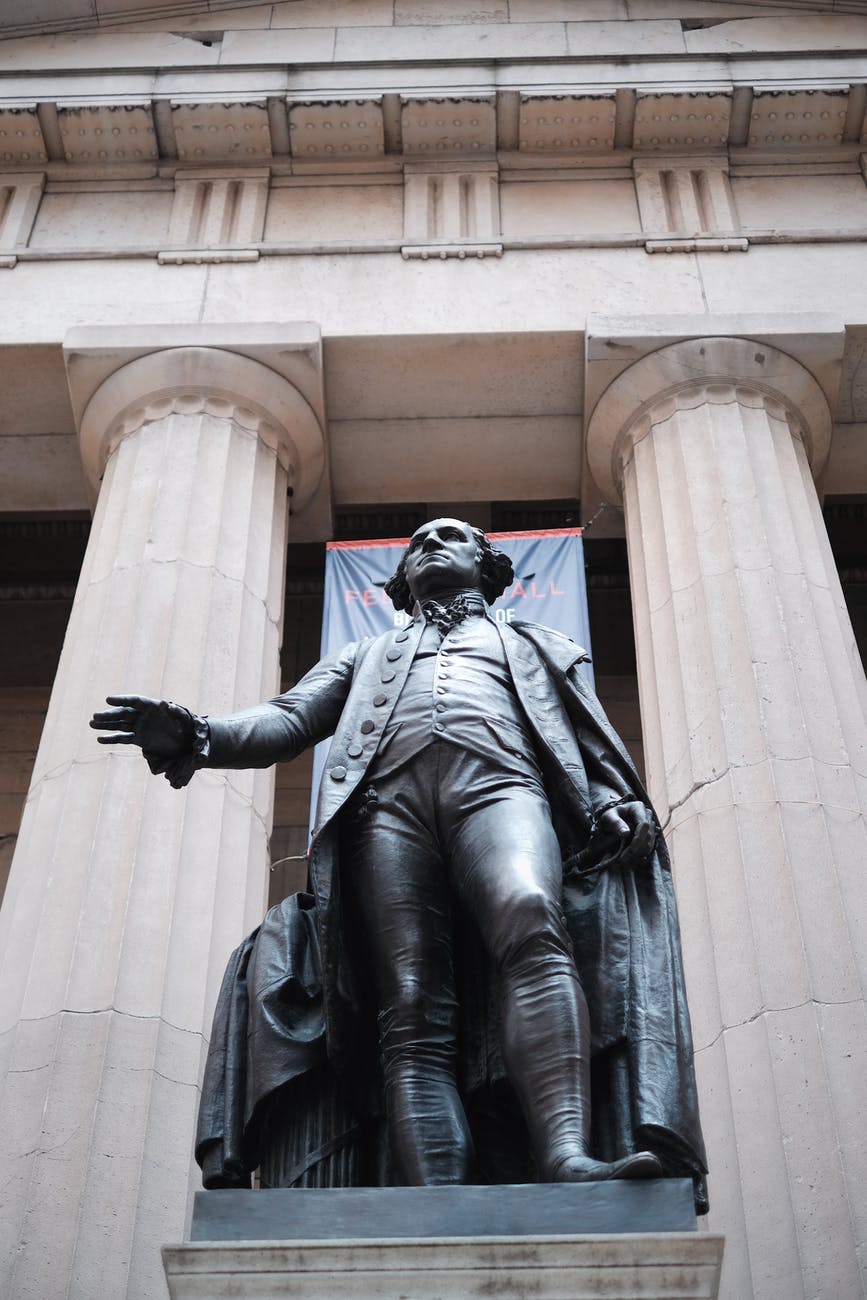
George Washington is a legend in American history. His leadership as General and Commander-in-Chief of the Continental Army, as well as his political leadership as the nation’s first President, elevated him to this legendary status. As is normally the case with a legend, however, Washington did not achieve this level on his own. Many other great leaders helped win the American Revolution, and assisted President Washington in establishing a new nation. Today, I would like to talk about one of those leaders who helped create the Legend of George Washington.
Once hostilities between the colonists and British forces began to escalate, one military strategist sprang into action. Realizing that the conflict would require artillery, he led a surprise attack on Ft. Ticonderoga, capturing the cannons and supplies there for use by the Continental Army. He then led his men on a “starvation march” to Quebec City in an attempt to capture that key port on the St. Lawrence. Although he failed to capture the city, the attack served as a disruption to the British forces there. As he returned south, he learned that the British Navy had devised a plan to move warships over land from the St. Lawrence to Lake Champlain, and from there sail down the Hudson River. Understanding the strategic importance of the Hudson, this leader set his men to work building make-shift boats and rafts in a desperate attempt to stop, or at least delay, the advance of the British fleet.
Choosing a position along Valcour Island as his point of defense, the commander used the narrow passage to even his chances against the larger and more powerful British fleet. Outgunned and facing a professional navy, he knew he could not win the battle and he was forced to retreat. However, his actions delayed the British forces long enough that they decided to return north for the winter. The delay gave the revolutionaries another year to prepare their defenses. Although this naval battle cannot be considered a victory for the Americans, the quick and decisive actions of one leader gave the cause of freedom a fighting chance.
Later in the war, the leadership and military strategy of this American hero came into play again. At Saratoga, General Gates was trying to stop the advancement of General Burgoyne and his men. Defying orders, this leader took charge of a group of men and led a strategic attack on the British flank. This move turned the battle and led to Burgoyne’s surrender a few days later. The victory at Saratoga is considered to be pivotal to the French decision to join the war, a decision critical to the eventual American victory and to the Legend of George Washington.
As you can see, the heroic actions of one military strategist and leader helped to create a legend and change world history. Interestingly enough, however, this leader’s ultimate defeat was also key to the American victory and Washington’s legend. As the war dragged on, his loyalty began to change and he became sympathetic to the British. Still understanding the strategic importance of the Hudson River, he devised a plan to hand over the fortification of West Point to the British. This move would, in essence, give the British forces control of the Hudson and divide the Continental Army in half, assuring their defeat. His plans were foiled, and Benedict Arnold has become one of the most despised people in American history because of his treason. In a very real, albeit negative way, Benedict Arnold also became a legend.
Going back to the title of this article, what made the Legend of Benedict Arnold? We can quickly say that Arnold’s decision to become a traitor is what made his name synonymous with treason and betrayal, and that is true. However, we need to look more closely at what led to his decision. In the first major victory of the Revolutionary War, the taking of Ft. Ticonderoga, much of the credit was given to Ethan Allen and his Green Mountain Boys. General Gates downplayed Arnold’s contributions to the victory at Saratoga in his reports, claiming most of the credit for himself. The Continental Congress overlooked Arnold’s accomplishments and promoted five other commanders above him. Even giving him command of West Point was, in some ways, an effort to keep Arnold out of the way.
Real or perceived, these slights against him caused Benedict Arnold to become bitter against the nation he had fought valiantly to create. That bitterness festered and grew into outright treason. Is it safe to say that the Legend of Benedict Arnold was created by a lack of recognition? What might the end of his story be if the Continental Congress, General Gates, and Commander Washington had paid more attention to the accomplishments of Arnold? Benedict Arnold was known to have a temper and to act in a rash manner. Perhaps if someone along the way had become a mentor to the man, helping him to temper his mannerisms and become a more effective communicator, Benedict Arnold would have received more respect. Maybe some well-deserved recognition or a promotion would have influenced Arnold to remain loyal to the American cause. Instead, the lack of recognition and respect influenced him to become a traitor. Never underestimate the power of influence!
Do you have a Benedict Arnold in your organization? Is there someone on your team who is “high maintenance” or difficult to work with, somebody who perhaps gets results but is not really liked by anyone in the company? If leaders fail to recognize the accomplishments of their team members, take credit for the success of others, and refuse to mentor their people, they may be creating a Legend of Benedict Arnold of their own. Leadership is influence, and we influence others by both our actions and our lack of action. Give praise where praise is due. Work diligently to understand why somebody is “high maintenance” and help them to overcome their weaknesses. Have a positive influence on everyone in your organization. Create Washingtonian legends, not Benedict Arnolds. If you do, you will be remembered as a legendary leader.
I would like to give thanks to A&E Television Network’s The History Channel and their “America at War” DVD collection, as well as to History.com, for the information used in the preparation of this article.
 FYR Presentations